The Book of Enoch concludes with the Epistle of Enoch (chapters 91–108), a blend of moral exhortation, apocalyptic prophecy, and wisdom teaching. Following the Book of Watchers (chapters 1–36), Book of Parables (chapters 37–71), Astronomical Book (chapters 72–82), and Book of Dream Visions (chapters 83–90), this section sees Enoch addressing his children and future generations, urging righteousness amid impending judgment.
Likely composed in the 2nd century BCE, it speaks to a struggling community facing cultural and moral challenges, offering guidance and hope. For those exploring ancient texts or seeking spiritual insight, the Epistle of Enoch provides a timeless call to integrity and trust in divine justice. This article examines its themes, structure, and interpretations, inviting readers to explore further.
Historical and Literary Context
The Epistle of Enoch was likely written around 170–100 BCE, during a period of Hellenistic influence and Jewish resistance, possibly overlapping with the Maccabean Revolt.
Preserved in Ethiopic (Ge’ez) and Aramaic fragments from Qumran, it reflects a sectarian Jewish perspective, possibly Essene, emphasizing fidelity to God’s law.
Unlike the Book of Dream Visions’ allegorical history or the Astronomical Book’s cosmology, the Epistle adopts a didactic tone, blending wisdom literature (akin to Proverbs) with apocalyptic warnings.
Addressed to Enoch’s descendants and “the future generations”, it critiques social injustices and false teachings while promising justice for the righteous.
Its context – a community navigating oppression and moral drift – shapes its urgent call to align with divine truth.
Chapters 91–93: The Apocalypse of Weeks
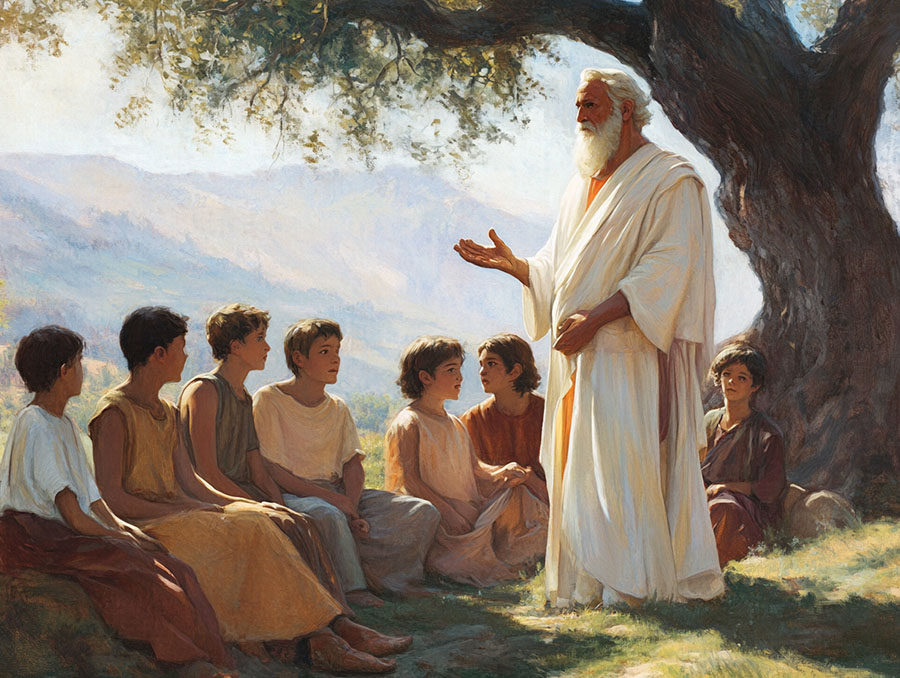
Chapters 91–93 open with Enoch instructing his children, particularly Methuselah, to live righteously. The centerpiece is the Apocalypse of Weeks, a schematic history divided into ten “weeks” (eras).
Weeks 1–2 cover creation to the Flood, with Enoch born in the first week. Weeks 3–4 see Abraham’s call and the giving of the Law at Sinai. Weeks 5–7 depict Israel’s monarchy, temple destruction, and exile, with “perverse generations” led astray. Week 8 ushers in righteousness, with the wicked judged and a new temple built. Weeks 9–10 envision a cosmic renewal: the righteous inherit wisdom, and a new heaven emerges.
Scholars interpret the Apocalypse of Weeks as a linear history, like the Book of Dream Visions’ Animal Apocalypse, but more concise. Its dating to the Maccabean era is inferred from the eighth week’s temple, possibly a reference to the Hasmonean restoration (circa 164 BCE).
The text’s emphasis on righteousness over ritual critiques corrupt priests, aligning with Qumran’s sectarian views. Modern parallels emerge in calls for systemic reform, where justice triumphs over corruption.
Chapters 94–99: Woes and Exhortations
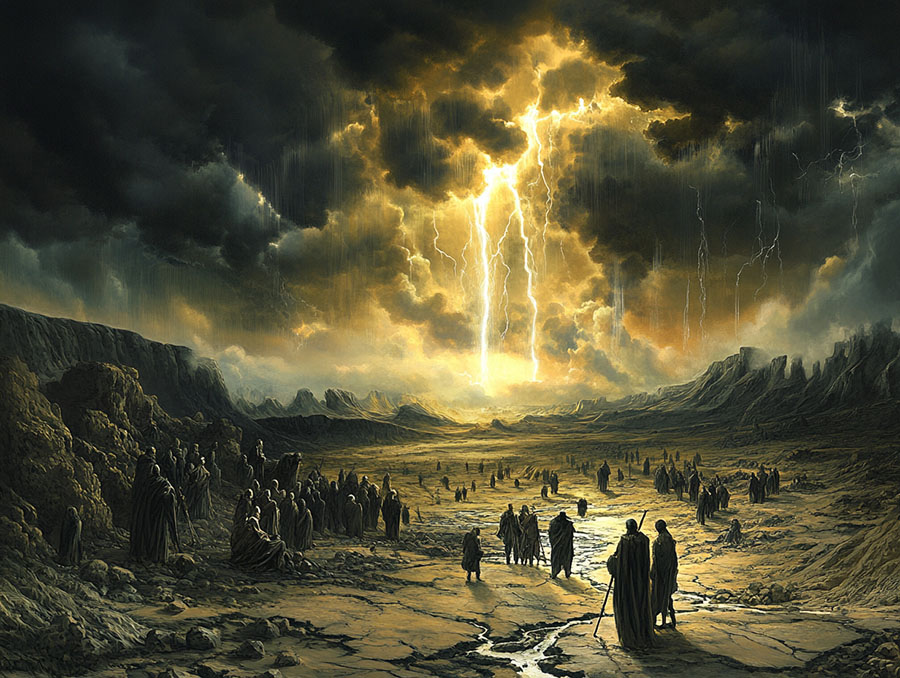
Chapters 94–99 shift to a series of “woes” against sinners and exhortations to the righteous.
Chapter 94 pronounces woes on those who pervert justice, hoard wealth, and trust in idols . The righteous, however, are urged to hold fast, as wisdom and truth will prevail.
Chapter 95 intensifies the warnings, condemning oppressors and false teachers, while promising divine vengeance.
Chapter 96 offers hope: the righteous will shine like stars, echoing Daniel 12:3, while sinners face despair.
Chapter 97 describes God’s judgment as a flood-like reckoning, with wealth powerless to save.
Chapters 98–99 address human responsibility. Sinners are warned that their deeds are recorded, with no excuse for ignorance.
Chapter 99 condemns idolatry and false oaths, urging repentance before the final judgment. The text’s tone recalls the Book of Watchers’ warnings against sin, but its focus on social sins – greed, oppression, deceit – targets Hellenistic-era elites and apostate Jews.
Scholars see parallels with Wisdom literature, emphasizing moral choice over ritual purity. Today, these woes resonate with critiques of consumerism or systemic injustice, urging accountability.
Chapters 100–105: Judgment and Salvation
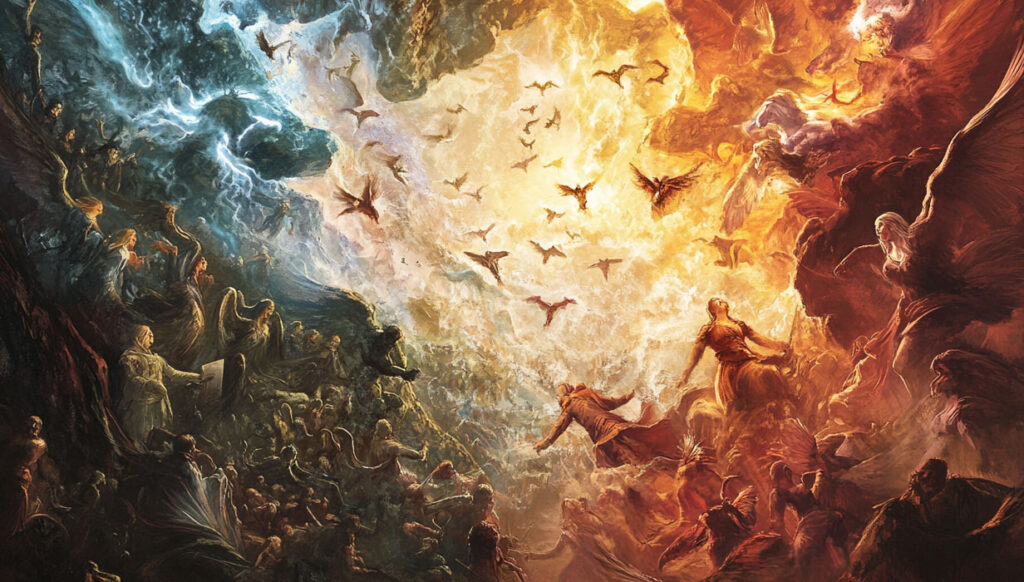
Chapters 100–105 blend apocalyptic imagery with moral instruction.
Chapter 100 depicts a terrifying judgment: angels execute God’s wrath, the earth quakes, and sinners’ blood flows. Yet the righteous find refuge, their prayers answered.
Chapter 101 uses cosmic imagery – sea, stars, winds – to affirm God’s sovereignty, urging sinners to heed creation’s order, echoing the Astronomical Book.
Chapter 102 addresses the righteous’ suffering, assuring them that death is not defeat; their souls will rise to glory, while sinners face eternal torment.
Chapter 103 reinforces this, detailing the wicked’s misery and the righteous’ eternal joy.
Chapter 104 promises the righteous will “shine as the lights of heaven” and dwell with angels, while chapter 105 introduces a Messianic figure, possibly linked to the Book of Parables’ Son of Man, who brings salvation.
Scholars debate the Messianic reference, as some manuscripts omit chapter 105, suggesting later addition. Theologically, these chapters balance fear of judgment with hope, a hallmark of apocalyptic literature. Their focus on the afterlife – eternal reward or punishment – parallels Qumran texts and early Christian eschatology.
Chapters 106–108: Noah’s Birth and Final Exhortation
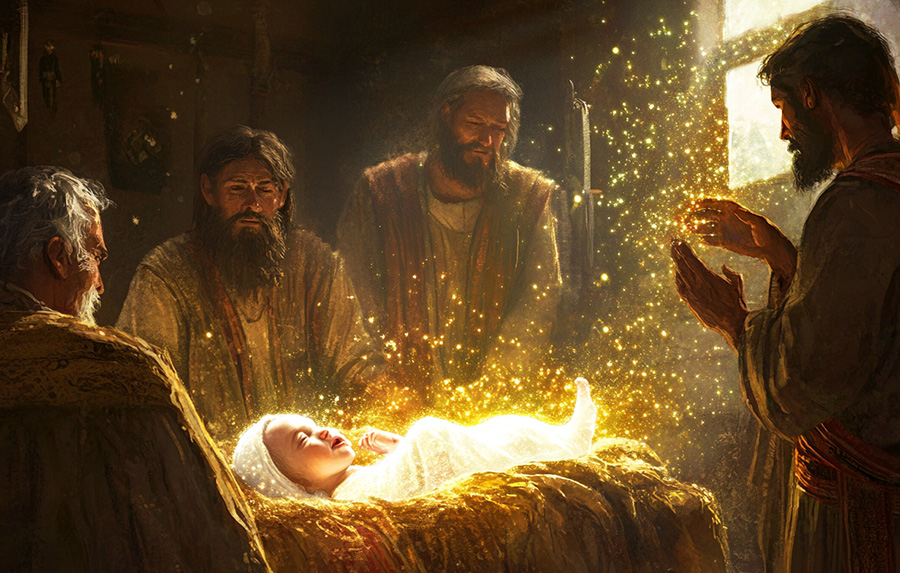
Chapters 106–108 conclude the Epistle with a narrative and final charge.
Chapter 106 recounts Noah’s miraculous birth, born with glowing eyes and wisdom, signaling his role as a remnant of righteousness. Lamech, his father, consults Enoch, who prophesies the Flood, linking to the Book of Watchers.
Chapter 107 describes the earth’s cleansing post-Flood, with the righteous preserved.
Chapter 108, possibly a later addition, addresses the righteous directly, promising eternal light and wisdom for those who endure persecution. It condemns false teachings and idolatry, reinforcing earlier woes.
Scholars view chapters 106–107 as a bridge to the Book of Watchers’ Flood narrative, emphasizing continuity in God’s plan. Chapter 108’s distinct style suggests a later appendix, possibly addressing a persecuted community.
These chapters underscore divine preservation amid judgment, with Noah as a prototype of the righteous remnant. Their emphasis on endurance speaks to modern challenges – resisting cultural pressures or standing for truth in divisive times.
Interpretations
The Epistle of Enoch weaves several themes. Divine justice is central: God records deeds, ensuring the wicked face consequences and the righteous gain reward. Moral responsibility permeates the text, urging choices aligned with wisdom, not greed or idolatry. Eschatological hope offers assurance: a new heaven, eternal glory, and a Messianic figure signal restoration.
Unlike the Book of Dream Visions’ historical allegory, the Epistle focuses on personal ethics, blending Wisdom literature with apocalyptic urgency.
Culturally, the Epistle critiques Hellenistic influences – wealth, false teachings – while affirming Jewish identity, akin to the Astronomical Book’s calendar polemic. Its afterlife concepts, with distinct fates for souls, influenced early Christian thought, seen in Revelation 20:12–15.
The Apocalypse of Weeks provides a unique historical framework, condensing God’s plan into eras, unlike the Animal Apocalypse’s detailed allegory. These themes resonate today: the call to resist materialism, uphold justice, and trust in renewal mirrors modern struggles for equity and purpose.
Invitation to Explore
The Epistle of Enoch speaks powerfully to contemporary issues. Its woes against greed and oppression echo critiques of consumerism and systemic corruption. The promise of eternal reward for the righteous offers hope amid suffering, from personal loss to global crises. Enoch’s role as a teacher, passing wisdom to future generations, inspires sharing truth in an era of misinformation. As one scholar notes, “Enoch’s epistle calls us to live justly, knowing our choices echo in eternity.”
For those drawn to its moral clarity or apocalyptic vision, an e-book on the Book of Enoch can serve as a guide, unpacking its teachings and connecting them to modern life. Whether exploring the Apocalypse of Weeks, the woes against sinners, or the hope of renewal, the Epistle of Enoch invites readers to embrace wisdom, endure trials, and trust in a divine plan that transcends time.